GLP-1 Medications: What Patients Need to Know About Weight Loss Injections
GLP-1 medications, weight loss injections, GLP-1 weight loss, semaglutide, medical weight loss
What You Need To Know About IBS
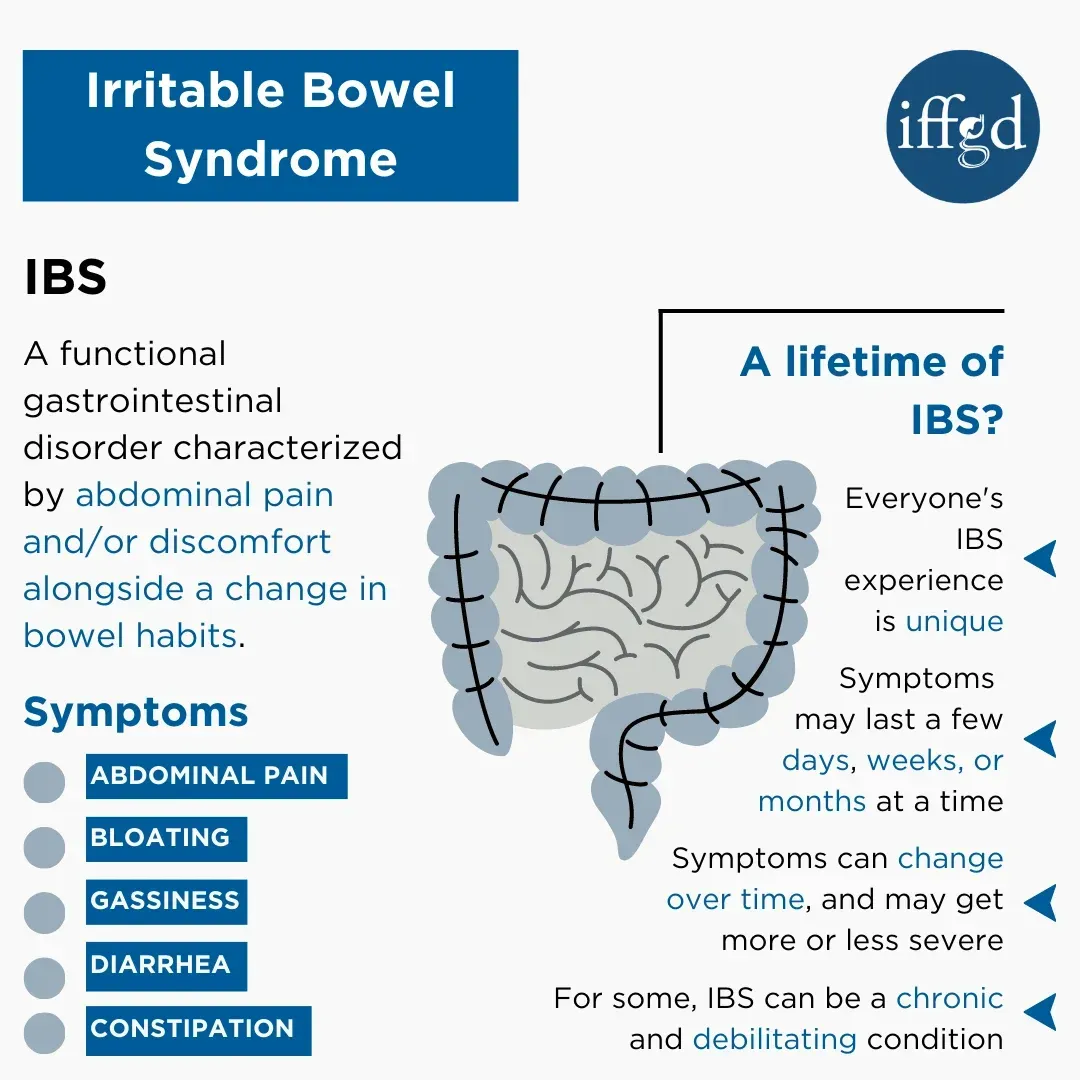
Digestive discomfort is something many people experience from time to time. But when stomach pain, bloating, cramping, or changes in bowel habits become part of your everyday life, it may be more than an occasional upset stomach. One of the most common digestive conditions we see is Irritable Bowel Syndrome, also known as IBS.
At Family Practice of Conyers, we believe your symptoms deserve to be taken seriously. IBS can affect your daily routine, your confidence, your energy levels, and your quality of life — but with the right care and guidance, many patients find relief and regain control of their health.
What Is IBS?
Irritable Bowel Syndrome (IBS) is a chronic digestive condition that affects the intestines. IBS does not damage the digestive tract permanently, but it can cause ongoing discomfort and unpredictable symptoms.
IBS is considered a functional gastrointestinal disorder, meaning the digestive system does not work the way it should, even though it may appear normal during testing.
Common Symptoms of IBS
Symptoms can vary from person to person, but some of the most common signs include:
- Abdominal pain or cramping
- Bloating or excessive gas
- Diarrhea
- Constipation
- Alternating diarrhea and constipation
- Urgent bowel movements
- Feeling like you haven’t fully emptied your bowels
- Fatigue or discomfort after eating
Many patients notice their symptoms flare up during stressful periods or after eating certain foods.
What Triggers IBS?
There is no single cause of IBS, but several factors may contribute to symptoms, including:
Stress and Anxiety
The gut and brain are closely connected. Emotional stress can often trigger digestive symptoms or make them worse.
Certain Foods
Common trigger foods may include:
- Dairy products
- Fried or greasy foods
- Spicy foods
- Caffeine
- Alcohol
- Artificial sweeteners
Hormonal Changes
Some patients experience worsening IBS symptoms during hormonal fluctuations.
Gut Sensitivity
People with IBS may have intestines that are more sensitive to digestion and movement within the digestive tract.
Types of IBS
IBS is often grouped into categories based on symptoms:
- IBS-C: Constipation-predominant
- IBS-D: Diarrhea-predominant
- IBS-M: Mixed symptoms of constipation and diarrhea
Understanding which type of IBS you have can help guide treatment options.
When Should You See a Doctor?
While IBS is common, ongoing digestive issues should never be ignored. It’s important to speak with a healthcare provider if you experience:
- Severe abdominal pain
- Unexplained weight loss
- Blood in your stool
- Persistent diarrhea
- Symptoms that interfere with daily life
- Fatigue or weakness
- Symptoms that continue getting worse
These symptoms may indicate another condition that requires medical attention.
How IBS Is Diagnosed
There is no single test for IBS. Your healthcare provider will typically review:
- Your symptoms
- Medical history
- Eating habits
- Stress levels
- Possible food triggers
In some cases, lab work or additional testing may be recommended to rule out other digestive conditions.
Treatment and Lifestyle Changes
Managing IBS often involves a combination of lifestyle changes, nutrition adjustments, stress management, and medical support.
Treatment plans may include:
- Dietary modifications
- Increasing fiber intake
- Hydration
- Stress reduction techniques
- Exercise
- Medication when appropriate
- Identifying food sensitivities
Every patient is different, which is why personalized care matters.
You Don’t Have to Live Uncomfortable
Many people silently deal with digestive discomfort for years, assuming it’s “normal.” It’s not. Your body is communicating with you, and understanding the cause is the first step toward relief.
At Family Practice of Conyers, we’re here to help you better understand your health, identify possible triggers, and create a plan that supports your overall wellness.
If digestive symptoms are affecting your daily life, schedule an appointment with our team today and take the first step toward feeling better.